
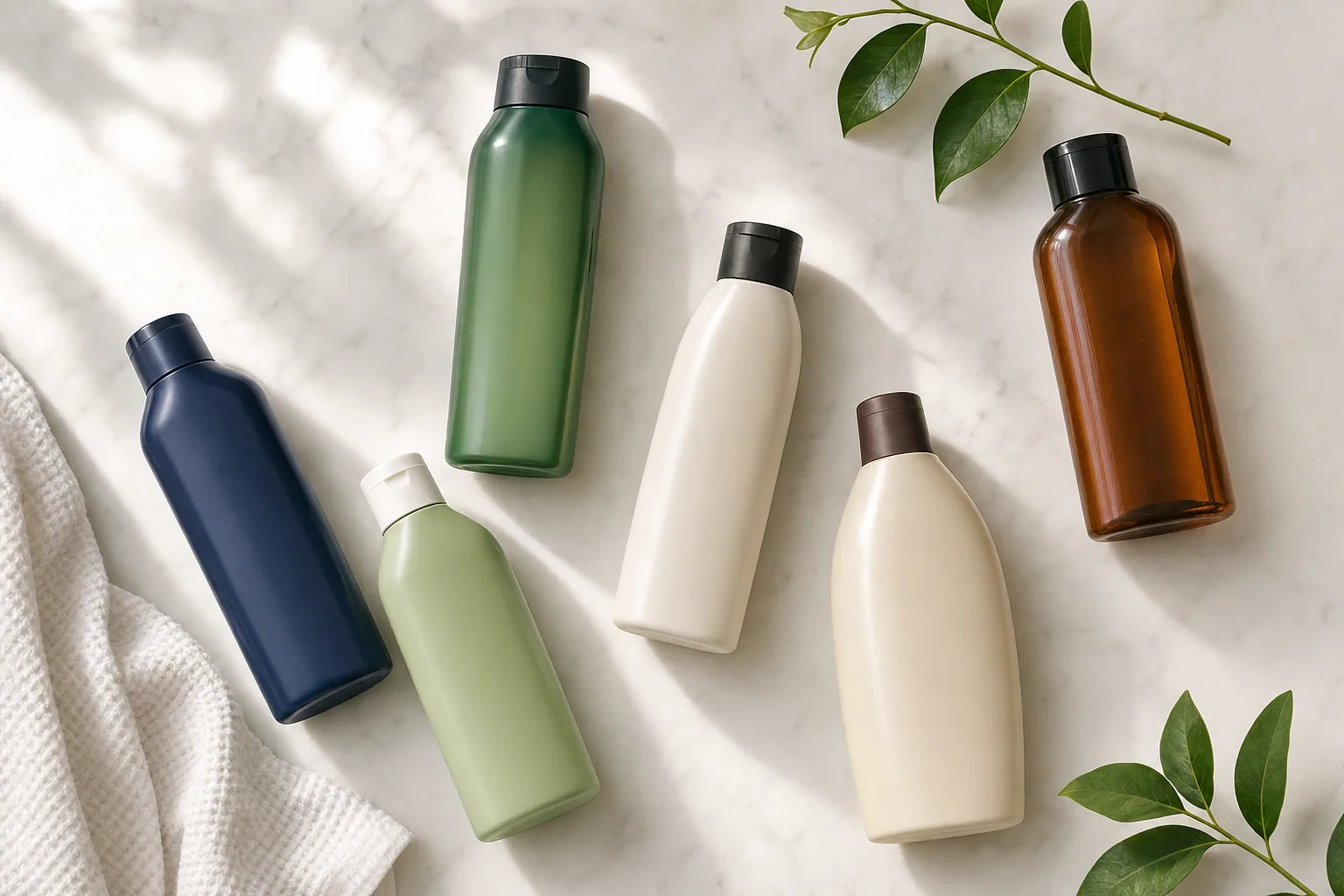
Picking a shampoo off a shelf or scrolling through a product page can feel overwhelming when there are dozens of options in front of you. The truth is, the best shampoo is not the most expensive one or the one with the fanciest packaging. It is the one that matches what your hair actually needs. This guide breaks down the key factors so you can shop with confidence.
Know Your Hair Type First
Before you read a single ingredient label, you need a clear picture of your hair. Hair type covers a few different things:
- Texture: Is your hair fine, medium, or coarse?
- Porosity: Does your hair absorb moisture quickly or resist it?
- Scalp condition: Is your scalp oily, dry, or a mix of both?
- Pattern: Is your hair straight, wavy, curly, or coily?
- Condition: Is it chemically treated, heat-damaged, or color-treated?
You do not have to hit every single category perfectly. Even narrowing it down to two or three of these factors will point you toward the right formula.
Oily Hair and Scalp
If your hair looks greasy a day after washing, you have an oily scalp. The goal with oily hair is to cleanse thoroughly without stripping so much oil that the scalp overcompensates and produces even more sebum.
Look for shampoos labeled as clarifying, balancing, or volumizing. These formulas tend to be lighter and do a better job removing buildup. A clarifying shampoo is especially useful if you use a lot of styling products, because regular shampoos sometimes leave residue behind over time.
Things to avoid with oily hair:
- Heavy moisturizing shampoos designed for dry hair
- Formulas with a lot of added oils near the top of the ingredient list
- Skipping conditioner entirely, which can make the scalp work harder
Focus conditioner only on the mid-lengths and ends, and keep it away from the scalp.
Dry and Damaged Hair
Dry hair feels rough, looks dull, and tends to break easily. Damage usually comes from heat tools, chemical processes, or simply harsh products used over time. Your shampoo strategy here is all about preserving moisture.
Nourishing shampoos are your best option. A nourishing shampoo can replenish the hair shaft and make a noticeable difference in softness after just a few washes. Look for formulas that feature hydrating ingredients like keratin, argan oil, panthenol, or aloe.
Tips for washing dry or damaged hair:
- Wash less frequently if possible, two to three times per week is plenty for most people.
- Use lukewarm water instead of hot water. Hot water opens the cuticle and lets moisture escape.
- Be gentle when lathering. Rough scrubbing causes breakage.
- Always follow up with a conditioner or hair mask.
Brands like Olaplex, Kerastase, and Redken have built strong reputations specifically around repairing and strengthening compromised hair, and Beauty Products 4 You carries products from all three.
Color-Treated Hair
If you dye your hair, color-treated shampoos are not just a marketing upsell. They serve a real purpose. Most standard shampoos contain surfactants that can strip color molecules from the hair shaft, causing your color to fade faster than it should.
Color-safe shampoos use gentler cleansing agents and often include UV filters to protect against sun-related fading. They also tend to be more moisturizing, which helps because the coloring process itself can dry the hair out.
For anyone with color-treated hair, look for labels that say:
- Color-safe or color-protecting
- Sulfate-free
- Luminosity or vibrancy
For example, the Goldwell Dual Senses Color Extra Rich Brilliance Shampoo is specifically designed for coarse, color-treated hair and targets both brightness and moisture at the same time.
Curly and Coily Hair
Curly and coily hair types are naturally drier than straight hair because the curl pattern makes it harder for the scalp's natural oils to travel down the hair shaft. The tighter the curl, the more moisture your shampoo needs to deliver.
Gentle, sulfate-free formulas work best here. Harsh surfactants break down the curl pattern and leave hair frizzy. Many people with curly or coily hair also benefit from a moisturizing shampoo that doubles as a gentle detangler.
Key things to look for:
- Sulfate-free formulas
- Glycerin or shea butter in the ingredients
- Creamy or hydrating texture rather than a thin, watery formula
- Detangling properties to reduce breakage on wash day
Men's Hair and Scalp Care
Men's shampoos are often formulated with a slightly different focus. They tend to address concerns like scalp buildup, thinning hair, or simply a preference for a cleaner, lighter feel without a strong floral scent.
For everyday use, a straightforward daily shampoo keeps the scalp healthy without buildup. Options like the Aveda Men Pureformance Shampoo or a basic daily formula from brands like Woodys are practical choices for regular washing. If thinning is a concern, look for shampoos that include scalp-stimulating ingredients like biotin, rosemary, or caffeine.
Beauty Products 4 You has a dedicated Men's Grooming category that makes it easy to find shampoos, conditioners, and grooming products built specifically with men in mind.
Reading Labels Without Getting Lost
You do not need a chemistry degree to make sense of a shampoo label. A few quick rules:
- Sulfate-free means gentler cleansing. Good for color-treated, dry, curly, or sensitive hair.
- Clarifying means deeper cleansing. Good for oily hair or product buildup, but not for everyday use.
- Moisturizing or nourishing means the formula is richer. Good for dry, coarse, or damaged hair.
- Strengthening or fortifying means the formula targets breakage. Good for fragile or chemically treated hair.
- Volumizing means the formula is lighter. Good for fine hair that gets weighed down easily.
If a shampoo has a very long list of oils and butters, it is probably better for dry or coarse hair than for fine or oily hair.
Getting the Most Out of Your Shampoo
Even a great shampoo will underperform if you use it the wrong way.
- Wet your hair thoroughly before applying shampoo. Dry hair does not lather well and you end up using twice as much product.
- Massage the shampoo into your scalp, not just the ends. The scalp is where cleaning matters most.
- Rinse completely. Leftover shampoo weighs hair down and can irritate the scalp.
- You rarely need to lather twice unless you have gone a long time between washes.
Finding the right shampoo does not have to take a long time, and it does not have to cost a fortune. Once you know your hair type and what it needs, the decision becomes much simpler. Beauty Products 4 You carries a wide range of shampoos across dozens of trusted brands, all at affordable prices, so you can try the right formula without the stress of overpaying for it.